
Technologies that can be worn on the body or clothes are referred to as wearables. Examples include smartwatches (such as Apple Watches), wristbands that record audio and provide summaries or to-do reminders later, pins and buttons that may be affixed atop clothing, and AI smartglasses. Wearables will become increasingly popular and ubiquitous; imagine a running shoe with an embedded device that can provide gait analysis, pacing recommendations, or fatigue detection, as just one non-obvious example.
AI Smartglasses
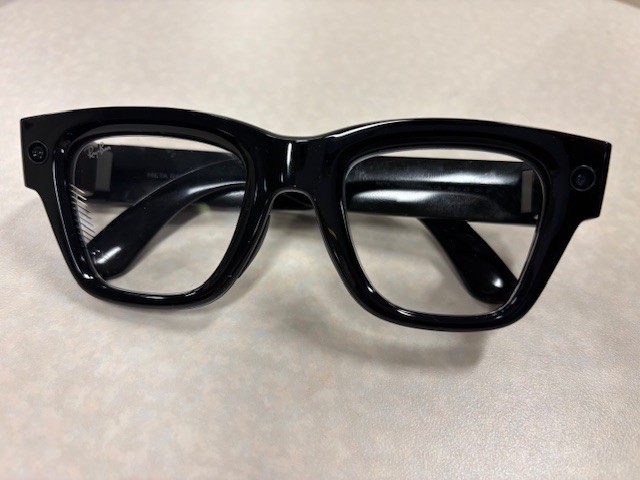
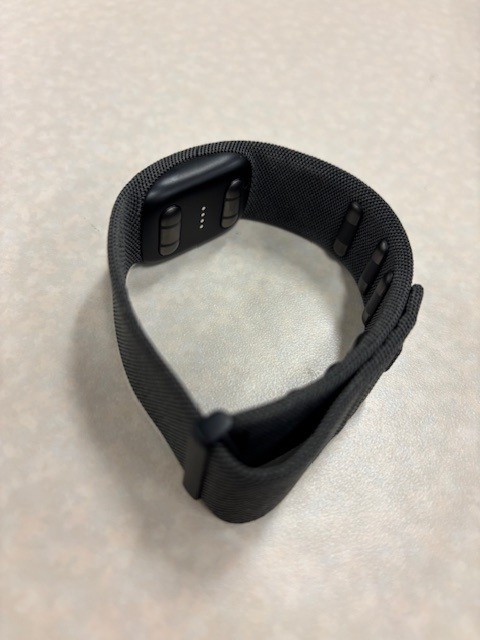
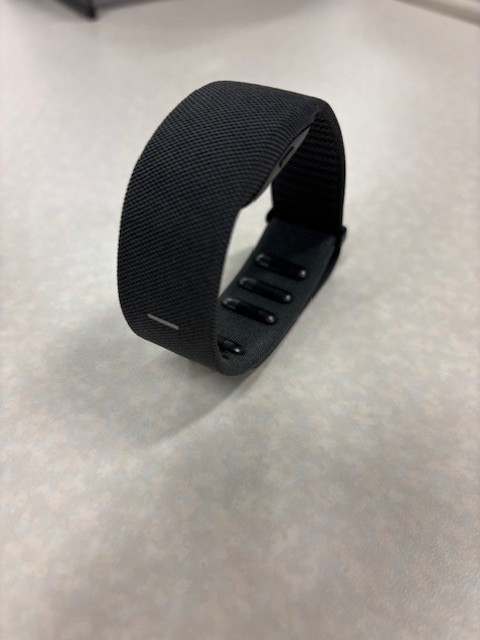
Sophisticated AI-enabled smartglasses became available to the general public for purchase in late 2025. One such model, Meta Ray-Ban Display glasses, is not cheap, but these glasses include a heads-up display visible only to the wearer, and can take photos and videos. Users navigate the menu by wearing a wristband and using their own fingers like a joystick. Wearers can also interact with Meta verbally, asking the sort of questions one might ask a Web-based LLM. These glasses may (or may not) be fitted with prescription lenses. Some models are also tinted like sunglasses.
Can faculty prohibit AI smartglasses during tests? The answer is a qualified “yes“:
- Ideally, faculty should address this issue in the syllabus, and tell students that on test days, they must bring traditional (non-smart) prescription glasses to take the test.
- Even if this is not communicated on the syllabus, instructors can use email or Webcourses announcements within the semester to inform students of the need to bring traditional prescription glasses with them to be allowed to take the test.
- If a student HAS been given advance notice using either method above, faculty can prohibit the student from taking the test with smartglasses. They should offer to let students switch to nonsmart glasses on the spot, or, if the student doesn’t have any with them, then the late work / make-up / missed work policies as stated in the syllabus can apply.
- If the student has NOT been given advance notice, faculty can still require the student to reschedule the test, but should not apply a make-up penalty.
- Another alternative route: the Meta smartglasses cannot control the heads-up display menu without the neural wristband. If the wristband is left with the instructor until the test is over, the possibilities for academic misconduct are greatly lessened.
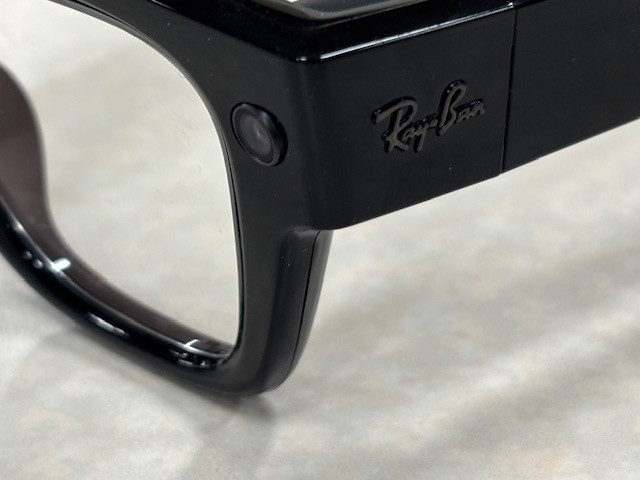
Pictures of the Meta Ray-Ban Display glasses:
Academic Integrity Issues
Smartglasses can take photos and video. Faculty and proctors worried about academic integrity violations should watch for a glowing white light on the front-facing camera when photos or video are taken.
The neural wristband, if not left with the instructor, can allow students to silently navigate the onscreen menu and access Instagram, WhatsApp, Messenger, and SMS–potentially sending a photo of the test and expecting a reply from someone not in the testing room.
If the neural wristband has been left with the instructor, users can still interact verbally with Meta. This interaction must be audible, but whispering does work. Proctors should watch for whispering.
Other Wearables
- Cheaper smartglasses relay on verbal interaction rather than an in-lens display
- Smartwatches, like Apple Watches, could present academic integrity issues, and could similarly be prohibited durings tests as discussed above.